Logistics data that operations and finance both trust

Operations, finance and the customer each measure OTIF from a different point. We join TMS, WMS, ERP and carrier data so all three are reading the same shipment.

One definition of OTIF and margin

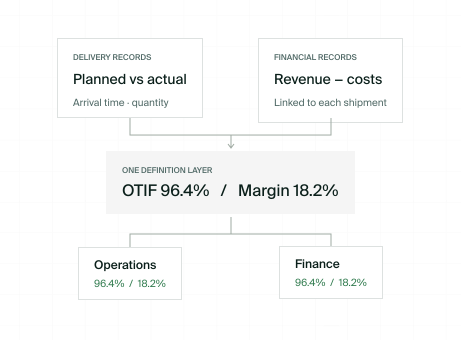
Systems disagree on delivery performance, while Finance and Operations calculate margin using different cost, timing, and allocation rules.
SOLUTION:
Agree the definitions of OTIF and margin, including reporting periods and cost-allocation rules, then implement them with traceable links to the source data.
RESULT:
Comparable OTIF and margin figures, with differences in timing, scope, and allocation visible and explainable.
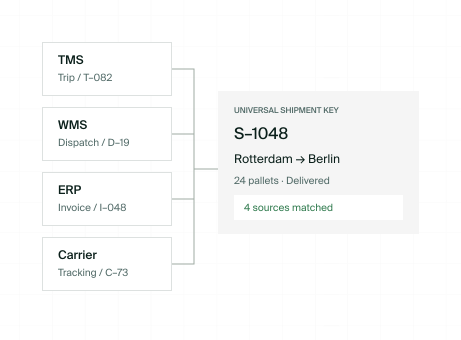
One shipment record

The Transportation Management System tracks the shipment and the ERP tracks the invoice, but nothing links them together.
SOLUTION:
Build a reconciled shipment record by mapping identifiers across TMS, WMS, ERP, and carrier feeds, with matching rules and unresolved exceptions made explicit.
RESULT:
Operational questions answered with a quick query instead of a day of manual digging.

Freight cost attributed

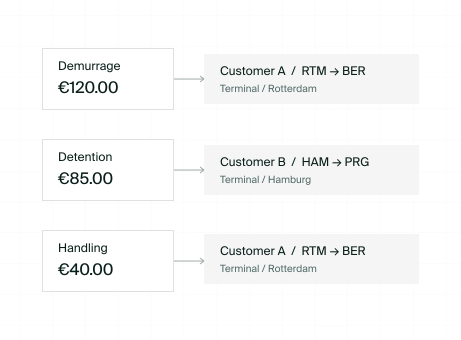
Demurrage, detention, and accessorial charges all get dumped into a single overhead account and forgotten.
SOLUTION:
Match freight and accessorial charges to shipments, customers, lanes, and terminals where the records support it. Apply agreed allocation rules to shared costs and flag unmatched charges.
RESULT:
Visibility into contract and lane profitability, with late, allocated, and unmatched costs clearly identified before renewal decisions.

Telematics history with a controlled cost

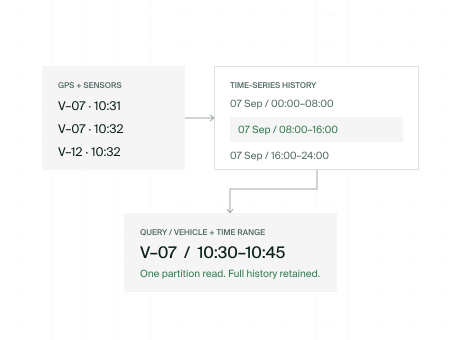
GPS and sensor historical data grows faster than your fleet—and your cloud storage bill scales right along with it.
SOLUTION:
Match storage, retention, and query architecture to telemetry volume and access patterns, then compare the total operating cost with the current setup.
RESULT:
Queryable fleet history with a measured cost baseline and retention choices tied to operational needs.

Alerts with an owner

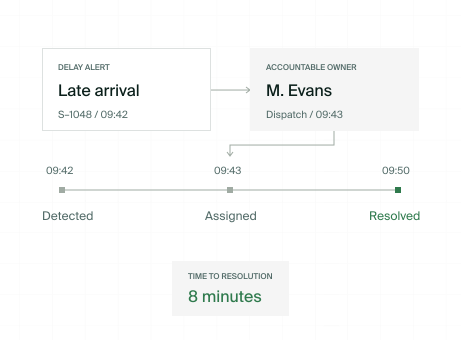
Critical operational alerts get dumped into a generic mailbox that nobody monitors, allowing single events to cost you money twice.
SOLUTION:
Route every costly exception directly to a named owner and track the time it takes to resolve.
RESULT:
Measurable, accountable response times instead of blind assumptions.